Roma nel Mondo Exhibition at MAXXI, Rome
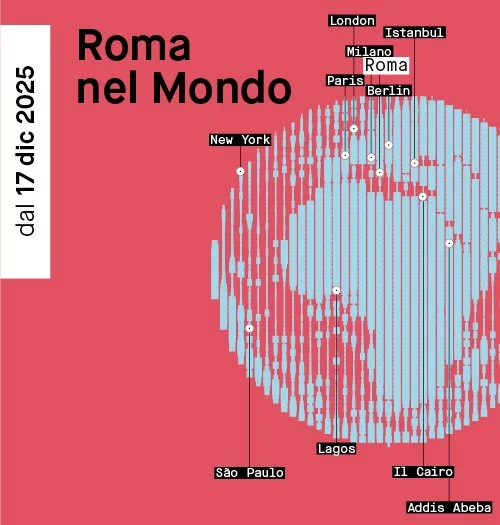
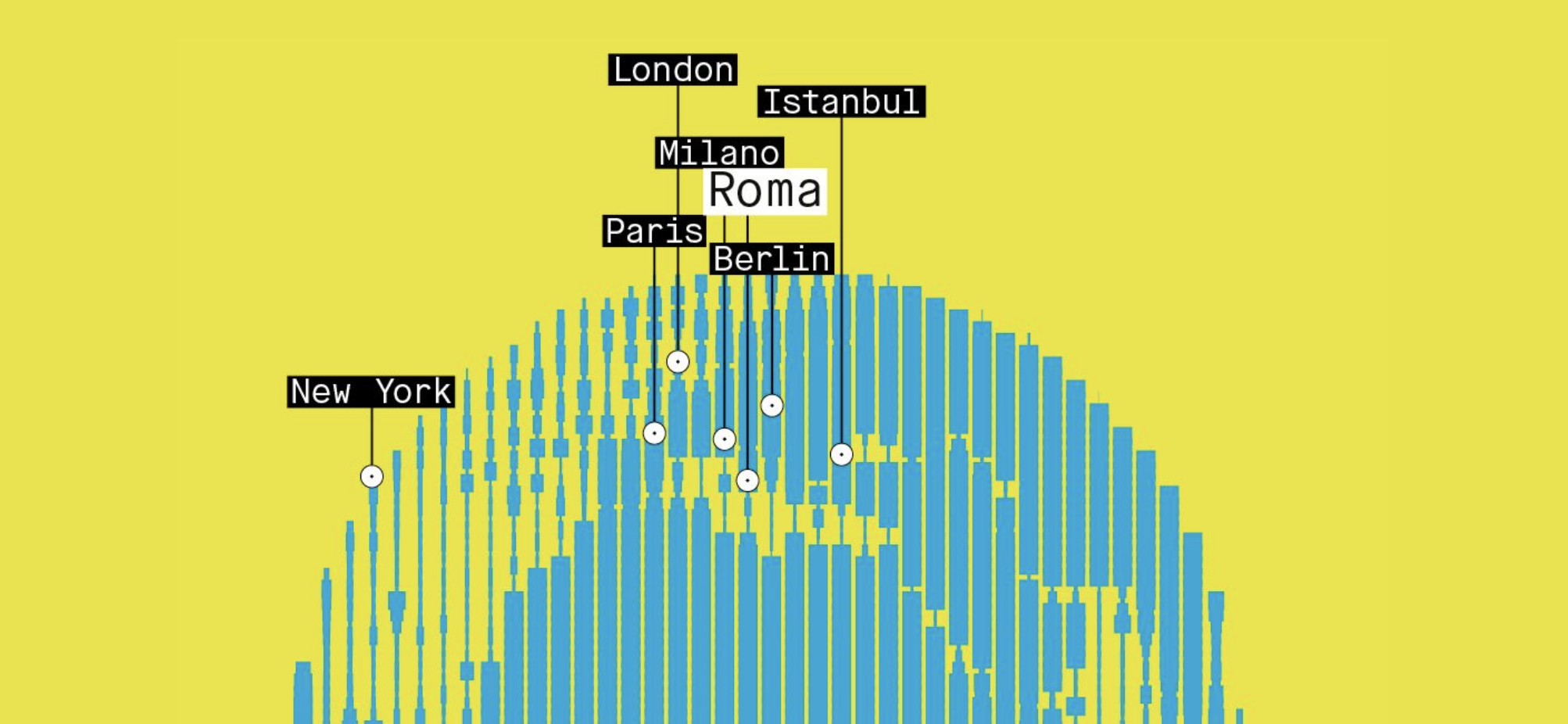
The Roma nel Mondo exhibition at MAXXI in Rome opened on 17 December 2025 and runs through 6 April 2026 and we could not be more excited to have an artwork included.
Read about the Rome in the World Exhibition at MAXXI, Rome: https://www.maxxi.art/en/events/roma-nel-mondo/
We are honoured by the inclusion of an artwork by Yes& Studio in Roma nel Mondo, opening at MAXXI in Rome on 17 December 2025.
The artwork is grounded in research initiated during Amy’s residency at the British School at Rome in 2021 as part of her award of the Scholars’ Prize in Architecture. She examined drinking fountains as enduring elements of Rome’s public realm and as instruments of everyday civic life. The Roman drinking fountain becomes a lens through which broader questions of access, generosity, maintenance, and civic identity can be read, across time and across cities.
The exhibition situates Rome in dialogue with other global cities. The inclusion of this work in Roma nel Mondo is significant not only as a recognition of the original research, but also as a reflection on its continued relevance of water and civic life as a topic that we return to time and again.
Amy’s research explored water infrastructure not as a purely technical system, but as a form of social and spatial practice. Through close observation, mapping, and historical reading, the work traced how drinking fountains operate as place making devices that structure movement, pause, encounter, and care within the city. These fountains, modest in scale yet pervasive in presence, reveal how infrastructure can embody values of accessibility, generosity, and continuity across centuries of urban change.
The project contributes a human scaled perspective to broader urban narratives. It foregrounds the everyday rituals through which cities are experienced and understood, and highlights how seemingly minor elements of infrastructure can shape collective urban identity.
For Yes& Studio, this moment marks an important point of reflection. The work speaks to an ongoing interest in the social life of infrastructure and the role of public space in supporting dignity, inclusion, and everyday urban resilience. Its presence in the exhibition underscores the value of long term, research driven inquiry, and affirms the importance of revisiting and re contextualising scholarly work as it enters new public and curatorial settings.